Episode Transcript
[00:00:00] Speaker A: Hello and welcome to the Mike Duff show. This is the ultimate hub where the hidden stories behind the mortgage industry come to life.
[00:00:07] Speaker B: I'm Mike Kelleher and hello, I am Michael Zhao.
[00:00:12] Speaker A: And in every episode, the mics dive deep into the entrepreneurial spirit, the strategic insights and the breakthrough innovations that build the world's greatest mortgage companies. So whether you're advancing your career, scouting for industry leaders, or exploring opportunities in fintech and prop tech, you're in the right place.
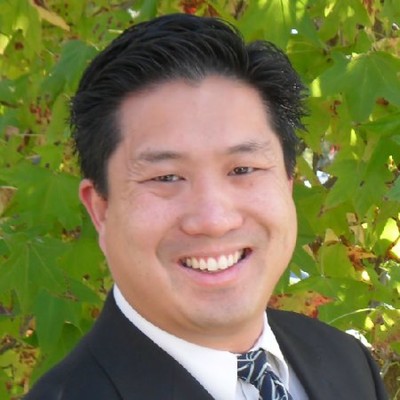
Get ready to unlock the story behind every mortgage. Let's dive in today with Chris Salis, director of mortgage lending for Oregon State Credit Union, as the mics dive deeper into the landscape of credit unions where membership member first attitude has resulted in a growing market share of the mortgage industry and Oregon State Credit Union is growing or outpacing their growth through organic member buildup. And Chris joined from a pathway that included different banks along the way as well as other credit unions. So he has more than 30 years of retail experience.
He knows the branch floor, the loan desk, the pricing, technology. We've had a couple passionate conversations about technology and he's really seen it all. So his pathway has been through mortgage lenders, savings banks, brokerages, big banks like WaMu, while living in the Northeast, where up here in New England, by the way, adopt the Brand Day, September 16th in Newport, Rhode island, where the Vermont Mortgage Bankers association will be associated with the rest of the New England Mortgage Bankers Conference, which is where Chris is from.
So Chris, welcome to the show. We, we appreciate you being here. We'll get more into your history, but thanks for taking the time to jump on with us.
[00:02:05] Speaker C: Oh, well, Michael, and Michael, I, I, I really appreciate the opportunity to, to be on the Mike Dub show and I, you know, again, congratulations on another season. You've had a lot of really truly informative and high octane guests, you know, on your, on your podcast this season. What is he? Drew Gillette from Guild back, Rick Roque, of course, Max Lehman. I mean there's just some terrific stories and some terrific examples of leadership in our industry. So I consider it a real honor to be here today. So thank you.
[00:02:40] Speaker A: Yeah, I like the clip. Banks taught you. Lending. A credit union is where many are saying lending still belongs to. As you've been on your journey, Alaska, usa, Umpqua, the banks you were at, which included, I think most recently, was that WaMu. Did I get that right? No, it was actually Wa Fed.
[00:03:11] Speaker C: Right, yep.
[00:03:13] Speaker A: So you have the gamut of experience that many wish they have. Can you enlighten us on the landscape of mortgage lending to communities where there are members and customers that rely on it for more than maybe just mortgage. But seems these institutions or these credit unions are really finally leading with mortgage itself as maybe the anchor of, of where somebody lives in that community.
[00:03:43] Speaker C: Yeah, I appreciate it and I, you know there's a lot of community banks. I worked as you said, for Wafed bank for I guess it was about 12 or 13 years.
Credit unions, a lot of us in this space regardless I guess of the structure of the entity, I mean we do have and we value that mortgages and housing is a really integral part of our communities.
For credit unions it's especially so we are dedicated in credit unions and really organized by members. It's a cooperative. Right. So the customers are also the owners. They are the members. The employees are not just customer or not just employees, but they're owners and they are members as well too and customers. So it's all related together.
We view housing, especially in credit unions as incredibly important along with access to credit for consumer lending, whether that's auto or credit cards, personal lines, but also increasingly business services as well too.
So it's never really left this part of the industry. But because there's not really a profit motive, it's the reason why the focus has always remained in the credit union world. There are many that in my end of the industry that are just too small and honestly don't have the resources to be able to effectively have a mortgage operation because of compliance costs, regulatory burden, just the cost of the tech stack. So that they've either opted out and they've made a partnership with another credit union or they have exited. But by and large credit unions have remained in this industry and have remained doing it again. I think the profit motive has, has a real lot to do with it.
[00:05:29] Speaker B: What is the basic function of the originator stand for at each branch if profit is part of it. But yet also what, what the credit union industry has done differently than general mortgage banking, at least by my observation, has been more of a member first rather than the MBS or the CMBS and underwriting for that. And so there's, it's, it's, it's not a hybrid to the non QM and agency loan, but there's more of a hands on makes sense type of touch when it comes to the actual origination that I have seen.
And so how does that affect the bottom line? How does as far as pricing is concerned but more, more importantly, how does it affect the servicing so that you can grow not only the the origination platform but also have I guess better performance for the credit union on on its mortgage portfolio as well.
[00:06:25] Speaker C: Wow. Okay, so number of things to unpack. So hold me to make sure I answered everything for you.
Number one, I mentioned before about the profit.
We are a not for profit. That's what a credit union is is a that profit that would normally be built in with any other normal shareholder owned company whether it be a community bank, a public corporation, any lender that all gets plowed back into reduced fees, increased service levels and a better strike price in many cases for a mortgage. So I'll give you an example from Oregon State Credit Union. We have for many years for Anyone that's a first time home buyer we discount the end rate by 25bps.
So after LLPAs if they're all in let's say a par at 675 I'm lending to them at 6 and a half.
That's pretty powerful.
Last month if I remember correct, our stats were about 70% of all of our purchase transactions were first time home buyers. So we outperformed the industry because that's a space and it's not just really the price, it's just really. It's kind of how we go about it and the care that goes into it.
[00:07:42] Speaker A: Real quick, my father in law brought this up the other day about acronyms.
So LLPAs, do you want to explain to.
[00:07:52] Speaker C: Sure.
[00:07:53] Speaker A: What an LLPA is?
[00:07:55] Speaker C: Yeah, we love jargon don't we in the industry? We sure do, yeah. So LLPAs loan level pricing adjusters. So those are those risk adjusters that are typically in fee as a percentage of the loan like a discount fee.
So they would be based upon the credit score in a large matrix.
Large matrix and also based on the loan to value or how much is a percentage of the value of the property that you're going to be lending out. So the more that you're borrowing based on the value of the property and the lower the score, the higher the risk adjustment is going to be. So that will absolutely affect the price that the individual the borrower is going to see at the very end. So it's either they're going to pay additional in fee or it would be additional in the rate one way or the other or some fraction BIPS basis points. I think I probably said bips before.
So 25 basis points would be equivalent to a quarter of a percent in interest rate.
[00:08:57] Speaker A: Well done. Do you still remember the rest of the question? I didn't mean to jump in. I'm glad I did.
[00:09:04] Speaker B: Please.
I, I'm, I want to go back a little bit because you actually, I think Mike Chris is the first credit union we've actually interviewed in, in all of our seasons. And if I watch traditional movies, it's like the bank, banks are like Lifetime television for women. We all hate the men. But if we, but if I look at a credit union it's like, it's like, it's like the Hallmark Channel, right? Everything, it's, it's townsee, it's folksy, we people. And yet you still have the better pricing. And so how does it. So to go back to the original question, what, what kind of service makes it better other than rate? We Talked about the 25 basis points and how do we, how do you keep the integrity of pricing plus service together?
[00:09:53] Speaker C: So let me, let me tell you, I've been down here for about 15 months now with the Oregon State Credit Union and what I'm trying to design is what a number of us in the industry are saying. We want our mortgage department or our operation really to function and be as sharp with the same kind of production mindset and tools and service levels like you know, top flight IMBs, gilt always rates, you know what always comes to mind. They're always just a terrific run place. Right. For decades.
But it's based upon, and what we're doing it for is based on the mission of the credit union. And most of us have some sort of paraphrase off the same thing. We're here to provide financial solutions that improves our members lives. Right. For me it's like what is the innovative financial solution that could help and improve our members financial lives or overall life. But how we're doing it is just based on the guardrails, the values of the credit union as well too. So it doesn't mean that we don't act and operate again with that same mindset like the rest of our peers inside or outside of credit unions. But our mission is different.
How we go about it is different. The values are going to be different as well too.
Let me, let me give you an example for something here in Oregon right now that we're going through.
Oregon is I think the seventh least affordable state in the country.
[00:11:15] Speaker B: Wow.
[00:11:16] Speaker C: Based one wouldn't thunk. But it is true. And it's not just because of Portland. It's all throughout the area.
We're based in Corvallis, middle of wine country. You gotta love it. But Benton county is considered the least affordable county in Oregon. And it's not because the price of the house is high. It's of course disparity of income to house price. Right. Or housing in general, of rent. It's where Oregon State University is.
University towns always skew, of course, less affordable. But all those things are driving where talent is leaving.
The average age of Oregonian is really skewing much higher.
You're not attracting industry.
Think about all those cities and markets that are back east. Pittsburgh, Akron, Cleveland, I mean we can name a lot of them. I mean house price appreciation is really climbing.
Demand is really climbing. People are moving to where housing is affordable even if the job market is not terribly deep or broad. Right. There's like less opportunities than there are in say like where I was in Seattle or some of the other bigger metro areas.
But you're finding is that people aren't moving there. And where there's talent, where there's a labor pool, industry and jobs tend to follow that as well too. So that's on the mind. So the Oregon Community foundation has I think about a four or five billion dollars balance sheet and they've just made $100 million.
It is to develop middle class housing.
There's lots of programs and products.
We could think about those that we could sell to Fannie and Freddie that go up to about 80% of AMI or area median income.
A lot of great ones. But there's a real gap going from like 80 to about 120 or really even 140%. There's really nothing for that.
So what they're trying to do is with a number of factors in there, what can they do to bend the cost curve down and really help leverage from their investment along with other financial institutions like us and other housing entities that they could bend the cost curve down. So it could involve community land trust, it can involve also what the type of construction is, panelized modular homes, other things that could be put in there. Cities and counties and towns that are deciding that they're going to reduce regulatory burden and have, you know, maybe three or four architectural plans set up and you know, they're already pre approved. And it's a matter of just pulling permits one for another for another. So those are all different things that have to come in with the public, private and foundational partnerships. That's not just for where I'm at, but I think for other areas of the country.
I'm super excited about it. I just went through this, this presentation yesterday afternoon and I mean just the possibilities are just in there. This is like a decade long, you know, investment that they're making and figuring they want to be able to get at least 10,000 new units just directly out of their investment over like the next 10 years. And we're about 15,000 units like short a year basically. So it's getting fairly dire here in this state.
That's the type of thing that we're interested in.
We're interested again in like in improving again our members lives. But we also understand that housing really is I think increasingly being seen as a real key to the economic vitality and honestly the stability of your tax base, you know, of your future, of your state. And that affects school districts. It affects everything. Right. So just giving you just an example here locally.
[00:15:04] Speaker B: Sure, yeah.
[00:15:05] Speaker A: There's a crazy fact and I don't know the exact number but I'm going to say 62 to 70% of all of the infrastructure in America is paid by your property tax. And you gave some great examples. So it's in the government's best interest to make sure there is a vibrant mortgage market, real estate market. It helps fund more than I think a lot of people know.
We usually talk about someone's journey in mortgage. Chris and I don't know where you exactly started but in some research you ran Washington Federal's flagship branch in Ballard and it got me thinking. You know a loan officer in an IMB is surrounded by roles that really help the production of a loan. So loan officer goes out and gets it. You have processors process it, underwriters underwrite it, capital markets sell it and managers manage them. And so the communication you're hearing around you in the office pre work remote days is very centralized on the mortgage where you were actually spend some time there on the ground level were recognized for the consumer loan production in that branch itself. So what what it being on the branch floor where there's more than just mortgage teach you about a consumer, a customer, a member's life when they come in and allows you to maybe in the next 10, 20 years. It seems diversification of offerings around the home are hitting non banks, banks and credit unions.
[00:16:57] Speaker C: Kim, you mentioned a couple of other places I had had managerial roles at two institutions previous.
One of them was UMCO bank which was had recently gone to a merger with Columbia.
They're also a big entity in the Pacific Northwest.
And I I had been recruited to go over to Washington Federal worse it's known wafed bank.
The position that I was waiting for wasn't ready and I thought you know I've always gone back into production and I really do love it. So it gave me the opportunity really to, as you said, you know, the flagship ranch. I lived in Ballard, which is a great neighborhood in Seattle, and it was like a mile from my home. Got in there and you know, there was the time for me is to really absorb what was really, as you said, going on really at that level before I went into a divisional role, which I didn't expect was going to be Arizona. But that's where I found myself after that. But I came in there and probably, I don't know, within probably about six months, I think I was already up to about 20, 22 units. I was originating a month. I mean I just really, really ramped up. I made my processor cry because I was giving her too much volume there for a while and they had to get some support for me. So operations wasn't terribly happy. But it got me to figure out as to where the niches were and also kind of the gaps on there as well too. Wafed ran a very interesting model as a distributed retail network. So about 200 branches and in each of those branches would be a manager, sometimes an assistant manager, personal bankers. And they were all registered so they all could land. They all were nmls legal.
Mine was just sitting, speaking with people. I had a wide range of a network. I think about a third of my business would come in actually from other loan officers that I knew. If I knew something I couldn't do. We didn't do gubbies. I would hand it off and I'd introduce them to somebody that I had a lot of trust in. And it was the same thing as well do. We were always known for doing a lot of construction lending. So I was doing renovations, brand new builds, anything that really revolved around that. But just using just a lot of like common sense underwriting for it. I don't think you mentioned before in the intro. I consider myself, I'm a recovering underwriter from a past life in there as well.
Those of us in the industry, when you say recovering underwriter, we always smirk because we know what that means.
It's hard to leave that.
But I originated and I teach my loan officers the same thing.
Answer all the questions before it gets handed off into processing or into underwriting.
[00:19:48] Speaker D: Right.
[00:19:49] Speaker C: So it really helps if you understand that is when you're working with the customer, right? That borrower, you know, what things to ask, how to like oh, I better ask more about that. They're not telling me everything.
Why are we not discussing this? You know, you start getting just more involved. So you originate a more Complete file and it just goes through just a lot smoother that way.
But I love being able to be back in there instead. Doing was terrific.
You are become a neighborhood fixture when you were in a neighborhood branch like that.
And you do definitely get known. And I had put that branch back on the map again. It hadn't really been doing much volume previous to that time.
I left it in good shape. I was only there maybe about a year, I think for that branch.
[00:20:36] Speaker B: Was it all inside the city or.
And so when you're doing, I mean when I think of the state of Oregon, I mean outside of Portland, I mean, yeah, you have Eugene and Bend and if you head south you might Klamath Falls, maybe Bandon Dunes is a great golf course. But mainly I think of forests, especially if I head toward the Three Sisters river or whatever. And is there more opportunity for. For USDA and construction financing since you do have that background? And how does it affect the type of originations that you have within the credit union itself since there's more, potentially more opportunity for USDA and potentially also government VA financing? You mentioned that you already did fha, but I'm more asking about the alternative USDA and construction type of financing for what you have experienced in the state of Oregon.
[00:21:32] Speaker C: I have probably, gosh, 35 years of construction experience. I love the product at Wafed that was actually part of the DNA of the bank.
So I've taken much of that down here as well too.
Wafed had stopped lending back in January of 25 in mortgage lending.
So when I came down here, my first thought was what can we do in terms of doing for not just new builds, but really all the major renovations.
There's not a lot of land, it's expensive with the impact fees is to build.
People, you know, for inventory are more interested in staying in in place. So what the type of products that we can do is to help them out.
That's actually my roadmap. I'm in the process of actually relaunching our whole product. I rewritten guides.
It's going to be a portfolio product. So I'm going to have like a lot of like underwriting, you know, flexibility in there.
I do bring a lot of like business case, you know, and kind of what I think is common sense underwriting to it as well too, you know, based on comp factors and all the other things that we look at. So I'm going to take that all the way from, you know, 50,000 all the way up to 2 or 3 million, I think including like land acquisition. But again, it's really, it's the renovation part is really where you're seeing people understand that they want to go out and put another 400, you know, square foot under the property. Taking something that hasn't really been gone to in probably 40 years. You know, buying these homes that last been renovated in 80 or 90, 1990s and going through them.
The other part is I developed this for the bank and I haven't had the opportunity to do it yet, but I look at it at next year and doing a second lien construction loan.
To me that yes, you can do these.
To me this is a real sweet spot because I. Are we going to have other people listening to this? I don't want to give them my idea, but yeah, but it's a really great spot. We have such an enormous amount of. Of homeowners that have big equity positions, but they're below that four and a half on a rate.
Are they really going to want to go and doing a whole new first mortgage, you know, pay off of the existing plus all the money that they're going to need for the renovation work, or is it more likely that they might take that second?
This would be people putting in ADUs. We have all those use cases of folks that are in their 50s or 60s. They're building out 8, 900 square foot ADUs in the backyard. They're moving into those so that they could, they could rent out the main structure for quite a bit more than what they'd be able to get the ADU for. So I can go on to a lot of use cases for it, but it enables people that don't have the equity now to be able to doing all that work or the ADU on there and borrow it based on the subject to value that, you know, is how you do lending and construction loans.
[00:24:33] Speaker A: That's.
That's unbelievable right up actually what Michael Zhao does, and I'm gonna have him lead off after the break specifically around that. I did want to finish one final point before we went to break though and just take you right back to 2014. You're in Arizona and I understand you obviously were working in Scottsdale and Mesa. Sure. But in areas like Payson and Globe and Show Low and Safford Towns where the branch manager is more of a public figure. Everybody knows smaller towns.
And I want to really put this towards underwriting because I know how hard it probably was to get your underwriting license. Why you don't see as many underwriters these days.
What is it like in those areas where you can't just hire experience, you have to build it and how are you going to take what you learned there into this new AI world? On thinking about how you would hire underwriters for this new program or underwriters in general.
[00:25:38] Speaker C: Wow.
What I found when I arrived in Arizona was two underwriters that were in kind of the admin office in Phoenix where I was, where I was based in that had some good underwriting chops, they had some expertise, but they didn't have a lot of confidence.
That was a real problem.
So having begin my background, every morning I sat down with them and we went through anywhere from 30 to 90 minutes. We went to a file review, we looked at files that were about to come in. Sometimes we went through pre files flights and we really tore apart. And I did just a big mentoring. I didn't want to do it myself, Michael, because I didn't want to become a line underwriter because I knew that's all I would ever be doing. Right. But whether it was for my division or we supported two others there in the state, I know that I needed to provide the loan officers who in that type of model maybe did one to three, maybe, maybe in a huge month was four loans a month. Right. They don't have a lot of swings and bats, so they don't have a lot of expertise in it. They needed a support and they needed somebody to say here's how you can structure it, this is going to work, this isn't going to work. So what they were looking for was clarity.
They needed to remove any confusion that they had on there. And they needed something that would really give them confidence that the solution that or what the decision that I was telling was we were going to be making was an appropriate one. And then they had the confidence to be able to go to the customer.
Ultimately every borrower wants, they want clarity and they want confidence in the decision and what you've curated for them, right. As what you've structured as and put on offer for them. So I think that cuts anywhere.
AI is the tool to be able to get, to be able to deliver and doing all the data extraction, the calculation and everything else so that they could become, that they could go and they can make a really good informed decision. So I don't see AI is as more than a tool.
I know LP and DU of course are not AIs. Those are algorithms. They allow you and I don't know, I guess I'm going to go on a rant for a second but I think I found a lot of underwriters that are just underwriting to the aus. They become just data validators. Right.
I I don't want that. I don't need that. I need somebody that's actually using judgment, intuition, experience and that's understanding what's in front of them up on the screens. Right. And using what is really a condition says is to help guide them as to what their decision is but they still need to be able to to using as I said is that judgment on there so AI I look at in the exact same way it's going to help you get to a decision. It's going to surface things better for you Flag exceptions alerts but ultimately it's an underwriter having to sit down and make a decision like is this the right or appropriate decision we make whether I'm selling the loan or whether I'm going to be originating it to our
[00:28:48] Speaker A: book I totally agree and I think everybody will resonate with the looking at the results of DULP and working their way backwards versus looking at the file as you mentioned and working your way forward.
But there are different technology vendors that can make the human touch easier and better and we've identified some of them and have been lucky enough for them to sponsor our show. These sponsors are what makes our show go. So we ask you be patient and watch a handful of their best 30 seconds and on the other end we will work our way home with Chris on where he is now and where he's going.
[00:29:33] Speaker E: Verifying income for all your applicants means you need roughly 23 different vendors and waste hours and hours of your team's time.
But with TrueWerk, it's just a single place for all your income verification needs. So you get the most advanced voie solution. Truark combines all major verification methods into a single easy to use platform to give you a completion rate of 75%, cutting your cost by up to 50% and getting real results for your team. TrueWerk your one stop shop for income verification.
Click Verify Repeats Talk to our team today.
[00:30:13] Speaker D: Cyber and Wire Fraud can you afford the risk? Today's automation and technology based trends demand solutions to fraud threats. Funding Shield provides lenders and investors real time transaction level verification Certified wire fraud protection to protect loss of funds at closing due to cyber based and other threats. We help improve your bottom line through fraud prevention, risk management and validating the parties and documents involved in mortgage closings. Prevent fraud and theft on your closings.
[00:30:42] Speaker F: Covered is the digital insurance agency built into the mortgage platforms you're already using covered compares options from 65 regional and national insurance carriers and delivers the top options to your borrowers right inside your existing workflow. On average, borrowers save $1,240 when shopping through Covered. Now you can offer that too.
Visit itscovered.com to learn more.
[00:31:18] Speaker G: With tru, we help you understand borrowers so you can help them as you grow your business.
We stand truth and trust because our AI powered technology leaves no stone unturned, no data point unchecked so you can make the right decisions and your customers loans can be approved faster.
We stand for these things because they lead us to accuracy and that leads you to proven insights and reduced risk and it leads your customers to a better future.
And that's what's true.
Blending intelligence True
[00:32:03] Speaker H: Meet Addy AI Write entire emails 10 times faster using AI. Simply tell Addie your email topic and watch the magic happen. Generative AI finds ways to make your writing shine. Train Addy to sound like you. Set up your business profile and let Addie learn about your company.
Simply connect your website, upload documents or link to your Google Drive and you are good to go.
Let AI handle your emails so you can focus on real work. Available in the Chrome Web Store.
[00:32:42] Speaker A: Welcome back. We appreciate all of our sponsors. They are a large part of the show and wanted to hop in. You talk a lot about as you've been in this industry forever, there are some frustrations on certain myths that just stay with I noticed in one article you talk about how people still approach you and say you need 20% down.
Absolutely not. After 40 years, why is the 20 year myth still alive?
What do you think it's costing families and do you think it's. Do you think social media has made it any better or. Or not?
[00:33:23] Speaker C: Yeah, the 20% down myth. Yeah, that did come up at a interview that I did recently.
I'm still, I'm still flabbergasted. It's been my entire career as is why that's still out there.
It's still probably associated because of MI costs, things of that nature. But there's so many different programs out there to be able to get into a property at way less money than there was before. There is 100% financing. You've already mentioned USDA.
A number of us in the industry have 100% LTV. Those are generally for first time home buyers and for others that we're trying to help out.
I don't know what I did recently is on one because I can always just come back and give Them data or it's like no, no, no, that's not true. But I asked them like where did you hear that?
It could be from their uncle.
They could have read it somewhere. Could be on a blog post.
I think a lot of it has to do that. Consumers are and all of us in general are just inundated with information, right? We talk about the great democratization of information and knowledge but information isn't knowledge.
So whether they're catching something off a TikTok, a real somebody's podcast, a blog, it could be marketing a lender's website, something in mass media. You know, I read some of these things and I look at it and I go well yeah, that's kind of right. To others I look at and go the hell do they get this from? That's like, that's just not accurate.
You know, I can go on to. And we know there's what about a 1300% increase in searches on any Gen I and any LLMs for anything financial related or housing related over the last two years. There's so much that comes through there, right? So I see the content, I look at it that's being put up. A lot of it is honestly as AI generated slope.
I think we all forget that Gen AI is based on it's probabilistic, right? It's going to generate a response that's really generating to the mean means it's average.
I don't know why everybody thinks about that is that what they pop in there is going to give you that average response back out.
If you're going to put out for advice that's not anodyne because that's what most of it is, right? Just kind of like everybody's website seems to look the same these days because they're all going through four engines to doing it. But if you're going to be doing that you need obviously really dead on accurate information. You should be giving something or looking for people that have real deep domain expertise in there.
What you put up on a site is usually just the taste of and the general information to be able to get them is to come back in Mike into like into my credit union and talk to one of my loan officers. I want to give you enough information that explains things but there's just so much more that you have to go through because a lot of it is situational. A lot of it is. Well yeah, but it depends. Let me continue asking you more questions. Let's have a deeper conversation.
I think there's a reliance on a lot of people now is just taking whatever the AI answer is and they're running with it. And we know accuracy. Right.
We don't say it's hallucinating, but it's based on what it's been trained on, which is a lot of anodyne general information. We come back to that again.
So the 20% down is a myth we encountered everywhere we go.
I've been encountering it for decades on there and I continue to talk about what the possibilities are and really everyone's situation is a little bit different on there. But to me, getting people into a house has, I think just, just like a lot of like social implications as well too.
I view that as I talked before, just economics of it here in Oregon, you know, and what you know is being recognized, need to doing expanding homeownership opportunities, but not utilizing what we have today and really spreading that word.
People behave differently when they own they're financially, they behave differently socially.
There's differences in career opportunities and how they view career opportunities as well too. People that are not that have either sometimes given up on buying a house.
I see and I encounter that often enough. I mean there's like a lot of apathy that's a tie to that too. That's a real social problem I think that we have today. It's that feeling indifferent or being disconnected.
You know, I know where I'm starting to get heavy here, but I mean it leads into nihilism as well. So those are all things that matter on a societal. And I think housing is just, it's increasingly being recognized that that's a real key component to it. So what we do is not just to help give somebody in a house. That's just the transaction, right? That's an output really. I'm thinking about what's the outcome about what we do and how that's going to affect not just that individual, but just affect, you know, our communities and society, you know, kind of writ large.
[00:38:46] Speaker B: So I, I recently bought a chainsaw and my son and I were at Home Depot. We're looking at electric ones versus gas ones.
And you know, well, does this one have a safety and how does this work? And so on and, and so forth. And then, then we pick one electric one and we took it home and we're. And we're cutting wood because. And just for context, I purchased two axes to try and cut the wood of the trees. This for firewood for my house. And, and I realized it was slow and tedious and. And so we ditched. Well, we didn't ditch the axle. We still have them. But we went and bought the chainsaw in order to get that.
And in the chainsaw was faster. But I also realized that I shouldn't be the one using the chainsaw. It actually should be my son.
He's just bigger, stronger. I think he's a little smarter when it comes to common sense for those types of matters.
[00:39:46] Speaker C: Yeah.
[00:39:47] Speaker B: And the reason I tell the story is because it's a tool and we use tools, whether it's for an ax or whether it's a chainsaw, both are functional for what they need to do in chopping wood. But not everybody should be doing it.
And when, when we, and we've commoditized the mortgage industry to be hamburger, you know, hamburgers. And you want fries with that shake, you do, you want, you know, in other words, just want the lower rate and then we can add an adjustable rate and a rider to this and da da da da. When the reality that for example, and this is very much related to the 20% down. Question and comment.
We don't, we, we don't utilize the mortgage as a financial planning tool. The home ownership is just about homeownership and not just a financial tool. With your credit union I noticed there's an affiliation with LPL versus, versus It's Wells Fargo, Wells Fargo Financial Services or Chase, Chase Financial Services or private client banking and so on and so forth. And a lot of IMBs don't necessarily have that accessibility. They just allow their loan originators to go out and hopefully hope for the best. Whereas what you do differently is you actually have not, you actually have a toolbox. You have the originator, you have the advisor and you have the branch.
The quote that we put in the questions we said is from Theodore Levitt, People don't want a quarter inch hole that I don't want a quarter inch drill. They want a quarter inch hole. Yeah. And when we have the functional usefulness of a tool, it takes away the commoditization of the mortgage itself. And when you, when we talk about the 20% down, people don't want to pay the MI because they don't see the functional usefulness of it because it just goes to the insurance, to the bank.
They're not seeing it as a financial tool not just for the home ownership, but also for the, over a 20, 30 year ownership period, the appreciation that could happen so as a credit, as a, as the functional leader for the mortgage industry, but yet also having accessibility to the full, full toolbox of the credit union. LPL Financial and all the advisors that are within the credit union space over there.
[00:42:04] Speaker G: How.
[00:42:05] Speaker B: What is the role right now for financial literacy? Is it up to the originator?
Is it up to the, you know and we're talking about 20% down and MI and all these things. But whose job is it to. To tell and educate the homeowners on MI and functional usefulness so that it doesn't, so that it's no longer commoditized to want fries with the shake to hey, which tool do you want to utilize for your financial, for your financial goals?
[00:42:38] Speaker C: Financial literacy first of all should always start as a junior senior course in a high school.
So it's something that needs to be taught there.
Bringing people from inside, bringing people from outside the school district, it needs to be discussed and taught what's real world. Right.
That's number one. Number two, it's all over jobs and financial literacy. I just talked about as the information you can find online that it's like not quite accurate. Right.
We've as a credit union we're actually working right now, we haven't made the agreement but probably be in January. We're going to be working with one of the largest counseling companies in the, in the country and we're looking to be bringing a la carte suites exactly this of financial literacy.
What I'm looking at is redoing one of our first time homebuyer programs. We have a proprietary one but not just requiring like the you know, the pre purchase counseling and you know those sessions but really providing something for the two years after they buy and like what type of programs. The things that I can show them would be like a whole roadmap or programs, information that they could go to counselors that they could talk to for after that six month mark, the one year mark, you know, 18 months down the road so that they're constantly hearing or having access to like actually expert information.
Loan officers are not always equipped to be outside of the transaction or like the post closing portion of it. Right. So I think there's a lot of literacy. I think as an industry we're forgetting, I mean gosh, what's the stat it's about 4x that a homeowner is going to spend after they buy the house and they expected what's going to cost them to doing the moving and the, you know, and any light remodeling, renovations. Right. Well you know that's going to mostly go on the credit cards because a lot of them there's not maybe a necessary a savings vehicle for it. So like we're not talking about that as an industry enough. Okay. We're setting them up with resources as well. So we, we talk about a little bit getting into the house. I think we're forgetting about what's it like for those homeowners after they've gotten in. First time home buyers are a huge portion of the buying market right now and there's no, there's no safety net or support for them after they, after they bought. Right.
Loan officers, they're done. They look at it as a transaction and they're not looking at the company as well too. It's not looking at as a relationship. So LPL Financial is part of our wealth management group, but they're not really providing like financial literacy unless you're talking about like doing more investment work. Okay.
I think we're talking about probably stair stepping that Michael. So you know, it's like basic savings reserves and then talking about where you can go to again even build even more generational wealth afterwards through different types of vehicles other than savings accounts, money markets and things of that nature. Yeah.
[00:45:51] Speaker A: A lot of loan officers would love
[00:45:53] Speaker G: to
[00:45:55] Speaker A: tackle that project in the form of how their coaches coach it, which is first time home buyer seminars.
We've heard that a lot. Can you break maybe the myths on my side, not on the consumer side, but when somebody has. I used to have home first time homebuyer seminars and I'll admit it was I was just shooting a shotgun saying anybody that can come, HUD counselors, anybody that can invite it. But I've now learned if you stay hyper focused you get larger results over the long run. Do you believe first time homebuyer seminars?
I guess one should be beyond mortgage and then two is that should be directed at renters or should it be directed more at family bringing their kids to it and doing it together. Is there a happy path maybe in the future that would be more connect the dots on something so broad as first time home buyer.
[00:46:53] Speaker C: When I was a loan officer back in Vermont I I used to do them and open up like the upstairs of the branch and I think I could host about 25, I think was the max room.
So it was gated. I was advertising it, bringing it in for probably about 90 days prior to that time. The key thing here is like I offered daycare so the family. Oh yeah, I know. I had basically like babies sitting off to the side.
So.
Right.
So you brought in. This was usually like in the early spring, like late winter time. So there wasn't like a You know, little leagues and things like that. They brought it in and they had somewhere that the kids. So they could sit and they could focus on that.
I think that's actually when you're doing it in person, I think, is that we need to be thinking about because there's so many aspects to buying a house, right? And I think they need to be like small modules and you need to be kind of building this up. We're just starting to do that at the credit union now. We've just had our third one and I'm trying to find like, the right mix for these.
They're obviously, when you're doing these webinars, they've got to be seasonal, right?
But.
But I'm, I'm. You know, my next one is talking about, you know, like, looking at listings and bringing in somebody that's going to be like, basically real estate expert and bring him in is to talk about when you're looking at a house, what things you should worry about. I mean, you know, going through like the entire process, right. Not just here's what a debt ratio is, here's what, you know, the money or cash to close. I mean, we can all do that and we need to educate them on the different pieces of that. But doing in one long Giganta 90, 120 minutes, you just lose people. It's got to be smaller kind of focused chunks.
I'll.
[00:48:47] Speaker A: Do you have any final thoughts then, Mike? Because I'm going to take it home on a final question and I'll leave this for you for a final thought or a final question.
[00:48:56] Speaker B: Chris, one thing you mentioned already we've mentioned at the beginning of the show is in your life as an underwriter, we talk about credit collateral, capacity to pay, and then eventually it goes. Leads into character. Also, we talked about AI and how DU and LP are not AI, they're just, just. They're just an engine to be able to do things.
What do you do to train originators and underwriters as a leader to.
I hate to say it this way, but I think it needs to be said.
How do you train common sense back into the trade so that we can lead into the common sense and not just rely on the engines and the AI that are there?
[00:49:43] Speaker C: Wow.
[00:49:44] Speaker B: Is that okay to ask?
[00:49:46] Speaker C: Yeah, that's a super fair question.
I think it's looking and having to have people recognize to looking beyond just the individual dots. And I think what I found years ago, what happens.
I used to look when I was underwriting, I look at the application, the transmittal summary, the 1,800. I look at the credit report and I didn't look at anything else, but I was looking mostly at the summarization and the credit. And I'm just trying to get at the big overall view. What does this look like? Do I like this or not? Right. And then you dive into the, into the details. What I found is so many of them are looking at individual details. They're missing the bigger picture, I think. So kind of reframing that from the beginning, kind of going from overall down into it, matters more than trying to build it up.
The other thing is too, and I think we were kind of joking about this before, but, you know, the old HP12C days, right? Okay, Yeah, I have mine and I will never get rid of it.
But being able to understand what leverage points there are. You guys were mentioning before about MI as a leverage. It's a tool.
Closing cost is a leverage point too, because it's talking about are they paying discount fees in there to bring rate down? If you're going to increase that, what does it do to payment?
Lowering down closing costs, of course, means you probably have credits coming back. So I think loan officers and underwriters, too, have been so used to everything being plugged in that they're not understanding the bigger picture and they're just looking at little kind of chunks of it and then taking whatever's coming off the AUS and just, you know, going to it.
When I was running the wholesale channel over for wafet, I had this broker, loan officer.
Boy, he had his marketing and sales down, did a terrific job of it. But the dude was in it for, I think for like 10 or 12 years. And he just looked at the AOS and we were a manual underwriter. And he kept saying, I can't deliver you any documents to prove the loan because I don't know what documents you're going to need. And I'm like, well, first of all, there's a document on our website that tells you what you're going to need. But he just had no concept of W2s, pay stubs, bank statements, things like that. It was just, you tell me what you need, I'll deliver. But he didn't really understand what was really going on with the file, too. It was so apparent when he talked to him. So I think we all need to take a step back and understand the tools are a tool to help you make a decision, but you still need to understand the real, real core basics of it and what those different leverage points are. As well.
[00:52:36] Speaker A: I love listening to audio podcasts when I'm doing work around the house, especially the outside.
I like how it goes from one episode to the next. When you subscribe.
This has been such a fantastic interview and I hope our listeners, especially those listening this long, who appreciate the richness we were able to do. So if you are using an axe on your wood or a chainsaw on your wood right now and you're listening at the earliest convenience, but like really take action and give us a subscribe. If you're watching us on video, please find us on the audio where We've exceeded over 500 active listeners every week and we really need the subscribe. But if you want to comment, that is the next level. We will be looking out for those comments. I want to take this home. Last question, Chris.
As a board member for over six years now on the Massachusetts Mortgage Bankers association, we talk a lot about advocacy conferences here and at the state and local and met a lot of the Washington Mortgage Bankers Association.
And you described it in a way I haven't heard and absolutely love. It's like being in the NBA, the best of the best.
So after more than 30 years in the industry, we got to hear a lot of it. You still talk about this industry like a fan of the NBA. What keeps it that way? And what is next for Chris Salis?
[00:54:01] Speaker C: Wow. Okay. I hadn't thought of that quote in a long time.
I, I really do believe it that way. The, the Mortgage Bankers association and I was speaking about ours in, in Washington State. I was on the board for gosh, about 15 years and it was absolutely the best of the best.
I like competing in those areas. Among the best of the best. Okay. I consider my peers, my friends. We're in competition with each other and you know, it's a friendly game of all. Maybe we'll just leave it like that.
But they are some of the top flight people.
I love the fact that there is a lot of advocacy. It's not just talk. They actually go to D.C. i'm sure you've met some of them there in D.C. as well too, going into the Capitol. I've done that back in March with the credit unions. It was about 6,000 of us at a government affairs conference that we all were doing hike the Hill, going up to Capitol Hill, meeting with all of our state representatives and kind of performing all that advocacy on our behalf. That was on behalf of our members really. And we're doing it the same thing in the NBA.
So I can't speak highly enough of the organization and the people that are in it. They're just really dedicated, really to the cause and they really are advocating on behalf of things that will benefit the loan officers. So I could tell you if you're a loan officer or in management, you got to vote with your seat, right? You have to show up at these things. You need to belong, you need to invest in there and you do need to also to participate in them as well too. There is strength in numbers and you know how this works in lobbying efforts either at the state capitol or in D.C. as well too.
[00:55:46] Speaker A: So and I should ask what should our listeners know about Oregon State Credit Union and a reason to reach out to you? If they've listened and they just want to become a member or a loan officer, want to work for you or somehow want to be part of that ecosystem.
What's a, what should they know about the credit union and how can they reach out?
[00:56:11] Speaker C: I'm available on LinkedIn and I'm open on there. You can always reach out that way certainly to me and hit me up with a, with a message.
I always enjoying is speaking to others, helping out anyone I ever can the credit union world. We all talk to each other on credit union basis. It's very much of a brotherhood or sisterhood if you will. And so but for anyone outside of there, I'm happy to discuss or talk about anything that might be loan officery or just on credit or some of the products and especially the tech stuff.
Tech stack talking about that is always the sexy part of the business, right? You know, underwriting, compliance, it's always the nuts and bolts and nobody really gets juked up over it. But. But it's super important.
[00:57:03] Speaker A: Thank you Chris, we appreciate it and thank you to our listeners.
[00:57:07] Speaker C: Thank you very much. Appreciate being on today.
[00:57:09] Speaker A: Thank you for joining us on this journey into the heart of mortgage innovation. Every mortgage has a story and we're here to help you write yours. If you enjoyed today's insights, please subscribe, Leave a comment, share it with your network and connect with us on social media.
Until next time, keep pushing the boundaries and uncovering the stories that drive our industry forward.