Episode Transcript
[00:00:00] Speaker A: Hello and welcome to season four of the Mic'd up show, where every mortgage has a story.
This is the ultimate hub where the hidden stories behind the mortgage industry come to life. I'm Michael Kelleher and in every episode we dive deep into the entrepreneurial spirit, the strategic insights and the breakthrough innovations that build the world's greatest mortgage companies.
So whether you're advancing your career, scouting for industry leaders, or exploring opportunities in fintech and prop tech, you're in the right place.
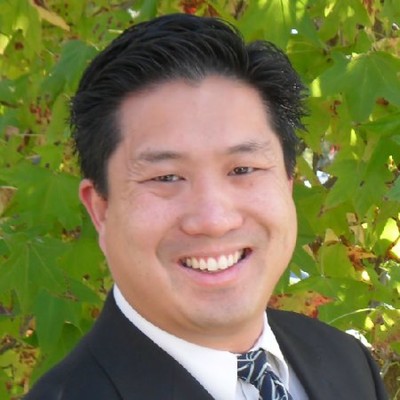
Get ready to unlock the story behind every mortgage. Let's dive in today with Adam Mason, who is president of Gershman Mortgage Residential division. He's a member of the company's board of directors, responsible for leadership management strategy.
I've had the privilege of running across him and I, I think what I'm most proud of saying when I talk about Adam is he's certainly shaped by straight judgment, no ego tackling tasks or jud, you know, understanding people not by ego, but whether they roll up their sleeves, what they do, who they are and appreciates people for what they do. He's always appreciated me, so I appreciate having him on the show today. Adam, thanks for joining us.
[00:01:25] Speaker B: Yeah, thanks Mike, for having me. It's a pleasure to be here with you.
Been a big fan of your show for, for a while.
We've obviously known each other for probably 10 years now at least. So happy to be here. Happy to finally join you.
[00:01:40] Speaker A: Yeah. And we, we do have a lot, because of my history, we have a lot of great IMBs on the show. Gershman Mortgage is one famous for being a generational IMB and you've been able to sort of be part of that legacy. Now you move from legal counsel into this senior leadership how the legal part, I find when you see them a lot on boards, you see them move up. It's always nice in a very highly regulated industry, have somebody that understands just how the legal component works. How did that early career path shape the way you lead today and maybe how you became president of Gershman Mortgage.
[00:02:28] Speaker B: Yeah, when I started in the industry 2010 at Gershman Mortgage, that was so 16 years ago. That was our 55th year of business.
So I'm sorry. Yeah, 55th year of business.
So obviously a well established company. When I started fresh out of, I had practiced law for one year out of law school and then joined Gershwin Mortgage. They were looking for an in house counsel to be responsible for all the Dodd Frank requirements that really IMBs were had to smaller IMBs particularly had to develop a Significant amount of compliance framework.
And so that's kind of how I cut my teeth in the mortgage industry. And it allowed me to get on a level playing field, so to speak with. It's intimidating joining a company with such long history and then you have naturally employees that have been here for 35 years. We had our longest tenured employees 42 years this year.
So the knowledge aspect, how do you get up to speed quickly and at a high level that I was expected to be at.
And it was the mechanism for me was. Was Dodd Frank because it was new to all of us and it was good timing on my part. And. And as I got into the mortgage business side of things, which compliance at the time, it was hand in hand. You had to marry what was at one point kind of separate on a shelf type for retail IMB. And now it had to be priority 1A along with several others. So it gave me a great exposure to the business, how to develop a modern company. Not just the compliance infrastructure that was the subject matter, but the thought process, the organization, the skills, the amount of work balancing so many competing interests in our business.
And I'm not even talking about people, I'm talking about just regulations, et cetera. So it was a great way for me to get into the industry at a pivotal time in our industry as well.
[00:05:03] Speaker A: Yeah, I think a big time from that era. And that's when I created the app. Back in the day we said it was to lift the cloak of mystery, but really it was the changing environment of customer experience. They were used to just showing a heartbeat, getting a loan, and now with disclosure rules, all of a sudden it was stop, go, stop, go.
And managing that customer experience. They, they almost wanted a second voice before they were going to go back to their old person. And you're trying to say that they're following the same new rules as. But you can't let them go. So I'm sure, you know, handling that and having your expertise, I could totally relate.
But the best leaders are not necessarily the people that are best at everything. They find people who are better than they are and. And they give them the authority. That's Jim Collins. Good to great.
I've noticed at Gershman, you have Scott Moore, you have Jeff Ogden, you have done a great job of letting your leaders within certain places lead. In fact, I have worked with a decisioning layer company and you were able to humanize tech in ways nobody else did. Where you actually were talking about using it for tribal knowledge and the understanding of the value of, of people with the 42 year history and how much they do have in their head.
Can you talk about how now that you've, you know, had your tenure there, how much letting those others have that authority has helped you now?
[00:06:32] Speaker B: Yeah, so I view it similar to the sports team. I have a sports background and, you know, the coach gets a lot of credit when they win the super bowl, and when they, when they don't, they catch a lot of blame that comes with the position. But what I view the most successful organizations, ours in particular, is allowing the expertise of our employees to shine, giving them the autonomy, the capability, and just really authority to take care of their responsibility and really make it their own, take it to the next level of what we're doing. And my background helped in that because I started in a, I was the in house, I was a general counsel.
So I, I got exposed to all different sorts of departments within our company and how they, how they interact and what the true needs are. Of course, volume, I mean, volume is like, that's okay, we all get that.
But how do you, how do you make it clean volume, how do you make it profitable in a volatile environment?
So through the years of transitioning out of a compliance role into a business role, which I was very fortunate to be given an opportunity to make my own path, I was told, if you don't want to be the in house, if you don't want to be the general counsel anymore, just find a replacement. And three weeks later I had somebody as a replacement and I was the coo.
So the exposure to the different needs of our company, working through different ranks of the company in different departments and how, how they work together and what their needs are. And it shaped my ability to be able to listen, really, because I'm not an expert on, you know, I'm an expert on the whole.
We have, there's so many experts on subject matter experts that we have here that we're very fortunate. And you have to let them do their job because it, it lifts us up when they're, when they're given the authority to do that and the autonomy to do that.
Not not having somebody micromanage them and enforce their will, you know, it's shaping what we're doing, but it's giving people the freedom, really the professional dignity, so to speak to, you're in charge, do it, you know, like, don't wait for me to tell you. So it just creates an environment that everybody is pushing towards improvement on their unit, which what that brings is, is a strong cohesive, successful Whole.
[00:09:26] Speaker A: Yeah. Peter Drucker says tradition does not mean preserving the ashes. It means passing on the flame.
That's a perfect example of you in three weeks passing on the flame. I noticed in a couple of your interviews you talk about how you can judge the company. You can judge, but you will not be able to say that I did not come in with a hundred percent support for you. I know that's the one thing you like to say you can control.
You also control it in a very profitable way. I know we sat down in Philadelphia and you. He said, mike, I'll support you and I'll look at it, but I gotta let you know, I'm not. I'm actually one of the profitable companies. Keep that a secret. So I think that you obviously know how to run an operation that, that you like. You take somebody with over six decades of history, though, how do you support them, keep them profitable, and still allow them to be different? Like if somebody comes in without becoming too constrained by the legacy that you deal with.
[00:10:29] Speaker B: Yeah. The legacy is not a constraint at all. It's really a catalyst to evolution.
You don't succeed for 71 years like we have without evolving. The benefit of the size of our company is we're a ship that can turn quickly and make decisions quickly and correct course when necessary.
And we know we have to evolve.
We got to the point we are by not resting on legacy experience, et cetera.
As you know, Michael, this industry requires evolution or you're going to get left behind pretty quick.
[00:11:10] Speaker A: Yeah. And we keep saying legacy, legacy, legacy. There are a lot of legacy great names that I grew up in know back in 2013 that are surviving. Keep looking at that Humda. You are thriving. You're doing it in, you know, that, that St. Louis market where you have some competitors there that must, that must drive you.
[00:11:31] Speaker B: You're.
[00:11:31] Speaker A: You're known as a leader for being genuine. You're known for being decisive. But how do you take that and pull these levers and still maintain this Gershman brand that, that everybody seems to love and the, the flame keeps roaring.
[00:11:46] Speaker B: Yeah, well, first of all, St. Louis, it's a very competitive market and we kind of like it because it keeps you on your edge.
We're based throughout, where we have locations throughout the Midwest, but there are some great companies based in St. Louis that you certainly have to keep an edge.
But so things that we don't lose sight of our people. That's the bottom line, Michael.
Our success has been based on our people's performance, not any particular product or process or technology or what have you. It's the result of our people, the quality of the people we have working here. And that's been the case for as long as I've been here and I'm sure throughout the years when we were much smaller.
Our people are what drive the success of our business and we treat them as such.
That hasn't changed, won't change.
They are part of what we're doing.
All of our employees have a voice. They're able to provide feedback, ideas, complaints.
We're all driving towards one mission and that's to provide homeownership for our customers and creates a relationship that they want to come back to us based on our service. They want to get a loan from us versus other people. So it's just treating people well and letting them be heard, taking an interest in their career, things like that.
[00:13:18] Speaker A: Yeah, I call it like own your zip code and working on some ideas around own your, your zip code. I, I believe Gershman as many zip codes it clearly owns. And that probably stems from just the internal buy in and then what eventually becomes external buy in. Like you said, customers just trust that it's a better place to stay.
How do you, I guess, how do you reinforce earning that internal buy in? Is it getting people together? Is it getting people virtually together? Is it just leadership through action or being organized? Just how do you keep it from feeling like it's compliance? You mentioned earlier, you don't micromanage. So how do you, how do you keep ahead of the others?
[00:14:06] Speaker B: It's, it's a relationship. You know, we're, we do all the above, you know, in person, video, every, every way to maintain a relationship. That's the way we look at it with our employees and our loan officers.
What do you need to be successful in your zip code? How can we support you? And then, you know, when you have that dialogue, particularly in a unique market, each market has its own idiosyncrasies, but some commonality between them. But then there are other markets that we're in that are truly unique, that we rely heavily on branch manager, employee, market specific on the ground data to really take the next step. And that's to take action.
You always hear people talk about, they love the feedback and stuff, but that's easy to solicit, feedback. Everything you do these days, you get a survey.
What separates the company in this area? What separates is action is taking the feedback from our producers and taking action on it.
That doesn't mean, oh yeah, let's go out and do that, let's go out and buy that widget or software or whatever.
It could just be finding a different option. It could be a quick note, not leading somebody on that type of stuff. But it's a working relationship. It's not a. At our company. And what I view the best with sales, with loan officers, is a partnership more type relationship versus a boss, subordinate or corporate sales. That kind of stuff I can't stand.
We're all in the same company. So it's engaging our people, engaging our loan officers. What will help them maintain success and take them to the next level?
[00:16:08] Speaker A: Yeah, I mean, loan officers are people too. They have to deal with the stresses of the cyclical nature of things, changing bills to pay.
[00:16:17] Speaker B: I mean, they're on the front line of it. The rejection that loan officers face in a difficult environment the last few years. I mean it, it takes a tough individual to succeed as a loan officer the last few years and a really professional somebody who knows what they're doing.
It's been fun to watch here because of, because of the skills you see throughout our cycles.
As you know, Michael, this industry goes through some dramatic cycles, volatile, quick, unexpected sometimes or long cycles like we've been been through. But you get an idea what type of person you're working with when you go through those cycles. And loan officers these days, if they're succeeding, they are tough individuals that know what they're doing.
[00:17:06] Speaker A: Yeah. And I'm not saying this is required to have empathy, but I think one of the places where I've been able to see better through the forest, not in the trees actually is having two kids now. I think it helps me better understand the importance of generational wealth, the importance of neighbors, neighborhood, streets versus just community where you could possibly rent, you know, in different areas, within, in the community and probably can relate more to loan officers that are trying to deal with this cyclical nature while raising a family. You have three kids of your own. I guess this is an off the cuff question for you, but how do you as being a father of one kid versus two versus three, has all of that changed how you lead in this industry?
[00:17:53] Speaker B: No question about it. Absolutely.
Being a father of three, two girls and a boy is not only the most joy I've had in my life by far.
It has helped me as a manager, as an executive.
And each child, you know, every child's different. All three of my children are different, unique. And how do they, how do I, how do my wife and I get across to. Each one might be a little different.
And similar to employees, it takes knowledge of that person.
But what may work with one, may not work with the other, or very likely may not work with the other.
So you certainly learn the importance of knowing the personality of the person you're managing or learning that from raising kids. Also there's two, there's a lot flooding in on that one. Michael 15, 12 and 10 year old. So. Wow. Yeah. But it's, it's.
I remember early on with my children explaining things to them, basic things, you know, like life thing. Like not even life things, but like just everyday type things that you find yourself explaining your kids to your kids and you have to understand what you're expl. To explain something. You have to understand it. And I found myself sometimes like they'd ask questions like I don't know why, like basic thing, you know, like that you take for granted as, as an adult.
And it allowed me to understand what I'm explaining to our, our vid. You know, when I'm explaining vision or things like that, like to true. People don't know what's going on in your head. My kids don't know, you know, they live with me and they, you got to explain it to them in a way that will, they will understand.
And really the kids just, they keep you on your toes. And I think it allows me to have a good perspective on, you know, when employees have things come up.
You know, we all have a life outside of work and that's important. Like I, I gotta get home and see my kids. Like that's the priority when it come the end of the day. And, and that's something we enforce is, or not enforce, but strongly encourage our employees to, you know, when it's time to clock out, you're done. Like go, go home. You're gonna be a better person.
You know, the whole work life thing. Yeah. But like enough's enough at work. Go. You need to spend time with your family and that will make you a better, better person.
[00:20:31] Speaker A: Yeah. Your closed loan pipeline is going to be there in the morning for you to run scenarios on. For sure.
I think.
[00:20:39] Speaker B: Yeah, exactly.
[00:20:40] Speaker A: Another I really feel like it's interesting is like each kid has its own parent group that sort of taught me a little bit about winning the zip code when I was a loan officer for years locally, you know, I was in my 20s. I can see why it's so hard to get in this industry. I always say on this show like the, the famous orthodontist isn't gonna give me seven manila envelopes of his Tax returns to put in my, you know, trunk after a Rotary meeting. You know, he just did my braces 10 years earlier.
But now I learned, like, there really are people within these groups that people want to work with just to be part of, you know, down at the field or, you know, in. At the country club, the one I don't belong to. But, you know, there's different. And you really can win that zip code if you're willing to put some marketing into it and make yourself, especially with social media, you can really, you can still be authentic, but you can almost say, I'm authentically going to win this zip code and maybe over commercialize a little by maybe even describing things like they're four years old so that people can understand, but I'm going to be better than everybody else. And if you catch fire in these groups, you will.
It's a different type of world than just being a B2B running around and trying to be at every networking event, which you should still be. But yeah, it's just really taught me that sometimes a town or city can feel big, and then two little kids can make it feel small again.
[00:22:11] Speaker B: Yeah, absolutely. Absolutely. And, you know, with. With kids and it's a. There's another good parallel into what specifically to what we're talking about. And, you know, it's like I mentioned with loan officers, they.
They get. There's a lot of rejection. There's. It's, you know, not everybody they talk to is. Is applying and going with them.
And sometimes loan officers have to deliver bad news to real. To referral partners, whatever.
And I think raising kids helps in understanding how you leave someone, you know, with kids, you don't want to just totally clamp down and pour a bucket of cold water on them, so to speak, to make them hesitant in the future or to leave them.
They walk away from the conversation.
Really down things like that. You know, a lot of that translates to business world. You know, we have tough conversations. It's. It's not all rosy, it's not all easy, but it's having an understanding that this one issue isn't gonna crater what we're doing. We're gonna. We're gonna continue to push forward. We're gonna be in this market. We're gonna be in this market for a long time. And although this might be a bump in the road, there's gonna be another opportunity, and we're gonna be here with a good, positive attitude for it. You know, we're not just gonna ram things down people's throat and Hope they understand what we're saying. Hope they accept it.
No, it's, it's a, there's some empathy and there's some long term mindset to dealing with relationships like that. Particularly when you're looking to win a zip code. As you mentioned, you don't just win a zip code. You can win a zip code maybe for a short period of time, but to really sustainably do it for a long time. It's, it's that type of come back to me attitude and approach to how you deal with people.
Yeah.
[00:24:11] Speaker A: You really just defined when something goes clicks in your head whether it's being a parent where you go from being transactional to relationship driven and, and I guess having a kid helps you realize that if you treat it like a transaction you're building a foundation of possible future, future damage. Right. And so that relationship you're, you're taking care of it.
Speaking of taking care of this is a nice segue into.
We're always looking for sponsors that want to tell these great leaders by their solution will take care of the the mortgage provider. And today we have a couple quick, quick videos from our sponsors and then we will ask Adam a couple more questions on the other end.
[00:24:58] Speaker B: Verifying income for all your applicants means you need roughly 23 different vendors and waste hours and hours of your team's time.
But with true work it's just a single place for all your income verification needs. So you get the most advanced voie solution. Truark combines all major verification methods into.
[00:25:19] Speaker A: A single easy to use platform to.
[00:25:22] Speaker B: Give you you a completion rate of 75% cutting your cost by up to 50% and getting real results for your team. TrueWerk your one stop shop for income verification click Verify repeats Cyber and wire fraud can you afford the risk? Today's automation and technology based trends demand solutions to fraud threats. Funding shields provides lenders and investors real time transaction level verification. Certified wire fraud protection to protect loss of funds at closing due to cyber based and other threats. We help improve your bottom line through fraud prevention, risk management and validating the parties and documents involved in mortgage closings prevent fraud and theft on your closings.
[00:26:09] Speaker A: All right, next question Adam, is maybe a twist here. I was going to ask you and get back to how you ensure you know, employee feedback turns into action but I guess I'll parlay it into a more relevant question as I talk to executives, you know and maybe a little history because I know you've been around for a long time back in the so obviously you look at data Back in the day it was maybe reviews and the evolution of trying to think of but it was a bi software that was leading the pack. So now everybody has some sort of business intelligence. They have some sort of data they look at, they have reviews. What what type of data are just either are you looking at or you really enjoy looking at and then how do you turn that data into action?
[00:27:03] Speaker B: Well I.
I look at a decent amount of data just general probably what most people look at. I'm looking at forward looking things. So we're a retail originator we don't service so forward looking items like lock volume apps taken pre approvals reviews obviously aren't forward looking but past obviously are QC report things like that Just any number we have. We hired a statistician about a year ago younger guy out of college who. Who was available looking for looking for a role in his statistician has just built us different plat different kind of the old I think what you were.
[00:27:56] Speaker A: Talking about type I was thinking of motivity. So what it's measured results we have.
[00:28:05] Speaker B: We have different screens that will show the data that I'm looking at.
And you know I in this like recently I think so not as a result of hiring a statistician a data scientist not as a result of that but I think it's more just that seems like AI or the age we're in I don't know but there's a lot of information out there at a time in my career which is only. It's pretty short relatively you had to find it on your own. You had. There was a lot more work that went in. Now everything's kind of lots at your fingertips. That was not years ago which is at first great because you know when they. When there's easily accessible information that can help you make decisions data based decisions is useful but what I found really was that there's an aspect that there's too much information we can get slowed down by indecision making paralysis analysis that type of stuff to where the gut is removed. And I think that's a problem with. With.
With good executives I'm sure bad ones that I don't have good. But you know you're like a sports.
[00:29:31] Speaker A: Fan so I'll are you one that like let's take baseball for example.
There are still the truest that believe you know looking at batting average is important slugging percentage and that might be the old school reviews and employee feedback. And then like you said now you think the industry what do you has the like war Wins against run average and, and all these new stats that swinging whether your launch pad is up or down and somehow that translates to, to victory.
Do you find it's just easier to look at the, the pieces that always worked like you know, credit pull to lock to close or are these, there are these new bi, you know, acronyms that are popping up that are, that are all of a sudden taking the storm of the industry?
[00:30:26] Speaker B: Yeah, no, I don't get too involved in those type things or I mean what, you know, we're always looking at new items, you know, always open to new items to look at. But because it works somewhere else may not mean it works here and vice versa. You know, like the, the metric, the data we look at and really the, when we're looking at our, our loan officers, it's a lot of times it's things that you can't see on, on paper. Just like a baseball player, you might not be able to get a total picture of that player's performance or future or ability based on what's in the box score.
You have to see it.
And so for us it's more like relationship based. Like. So for our loan officers, are they putting in, if they're struggling, are they putting in the work? Do they need coaching, do they need this system or that system or more attention or more product, whatever the case may be.
And that's based on like, does this person have the desire, does this person have the work ethic to do it?
So it's not just managing based off of a dashboard.
It's looking at common and some sophisticated ones that I don't. There's a few that I would prefer to keep between myself and our company. But it's not overly extensive on the data we're analyzing and that would be my advice to anyone else looking to be an executive at a mortgage company is you've got to get quite a metrics. You've got to look at the business from an objective standpoint.
Not only volume related, it's got to be objective, but still have an understanding of your people, where you're going, what you're doing, work ethic, the quality of the people, as far as reputation, the total picture of what we're doing, not just what we're going to reduce to a number on paper.
[00:32:31] Speaker A: See audience. I was trying to get some, some new stats out of somebody that was able to remain profitable in a, you know, in a tough market.
[00:32:41] Speaker B: But I, you gotta watch your margin.
That's, that's the key.
And make decisions quickly.
[00:32:51] Speaker A: Is, is yeah, like you said diamond.
[00:32:55] Speaker B: For the second one, but there is for the first. And, and that's something that in our industry is so important. It's just not even, you know, you can't underestimate it after that, you know, is there's a lot of important different metrics that we. Because you can, you can come up with anything you want with, with the complexity of our industry.
[00:33:16] Speaker A: But yeah, if you over metrics and what I'm hearing from you is like they finally, after a decade came up with this.
They agreed actually. So forever they said in baseball, clutch doesn't matter. It's all math. They finally have come around and said, yeah, in the ninth inning, the person's a little nervous or they're, they're confident. Clutch does matter. And I think in those stats you can't measure things like empathy is kind of what you're saying. A lone officer willing to travel, you know, in the rain over there to meet him at the closing, that's not going to show up in the, the BI report.
[00:33:49] Speaker B: Empathy and desire and, and the loan officers that want to do a good job and that do do a good job, that educate their customers, that doesn't show up in.
I mean, you say, oh well, they're doing high volume. Obviously they're taking care of the customer. That may not be the case.
That's not always the case. Just volume doesn't equal great customer service. So there are loan officers that.
[00:34:17] Speaker A: On.
[00:34:18] Speaker B: Paper may not look as good as they could truly be with a little more support, attention, assistance, things like that.
And you're not going to see that from a dashboard.
The only way you know it is through engagement.
[00:34:33] Speaker A: You know, no one's really said it like, just like loan officers that are good people, maybe it's. Markets have gotten tough. It's kind of exposed some numbers there.
How were you able to protect obviously the culture that you're talking about and keep all those good people with Gershman even when things were tough? How did you build that culture?
[00:34:56] Speaker B: Yeah, I mean the culture is always evolving to it. It's always building.
It's, it's a every day is new day type type thing. And we're instilling just a culture of that. Our employees have a voice here. Like I said, they're able to provide feedback. They have career ownership.
So throughout tough times. Yeah, I mean, I had to switch pretty dramatically in the COVID years because I was very. Used to be very active at the time. Was very active in branches physically with all employees. And then Covid hit And we had to adapt obviously with virtual and things like that. Travel was shut down. But we've gotten back to that years ago. Is visiting branches, being with our employees to just understand this is how we operate at headquarters.
We're here to help that employee do their job better, whatever that employee is, throughout all of our different departments.
So it's showing that we care for our employees and we care for them because like I mentioned, it's not just, not only because they're people, but because it's what keeps us sustainable. What keeps our company alive is our people.
So we make sure that they're part of what we're doing. So we communicate with them. There's transparency on what's coming, where are we going, what's a new product or service or what have you.
I like to think that our employees will know like if you ask them what, what's most important to me, they, they would tell you that customer service is the most important thing.
At least I would hope so. So things like that where you kind of speak in the same language and you're on the same page and that's because of involvement. You were involved, all of management is involved with department heads and employees to build the buy to gain the cultural advantages of having a relationship with employees. They can pick up the phone and call. You got a problem with the deal, pick up the phone and call. We'll work it through real quick. Those are the type things that really generate a relationship.
Going on a president's club trip or a year end party or different types of events. Those help too, all those sort of things. There's no one individual lever that can be pulled. It's a lot. It's a full, full suite of service, full suite of really action on how to create the culture and maintain a culture.
[00:37:36] Speaker A: Yeah, that's. I mean that's what I read. She's Adam's father, three and he's a field first strategist. He's visiting, you can read in the articles but you're visiting branches nationwide.
William Thorndike from the Outsiders says the best leaders create a culture where the front lines inform strategy so clearly. And it comes from you. Obviously that's how I've gotten to know you. You're principle driven, you're not bureaucratic. So how does that lead to like a balanced centralized strategy? You know, you got your LOS and, and decisions made up at Central and then letting, giving the branches the support and the autonomy they need to win their zip code or close loans the way they want. How do you Balance that and every IMB's. You know, figuring that out right now.
[00:38:26] Speaker B: Yeah, I don't know. It's. It's situational based going into it with a preconceived. It's a true concern, Michael. You know, balancing, balancing what you're talking about and it's got to be situational because if you, if you go into it with well I'm the boss or I'm a big producer, this is going to be the way. Well maybe it's not the way to do. Maybe somebody else has another.
It's a working relationship. So really situational on what's best for the business, what's best for our loan officers, what's best for our employees and figuring out win in that regard. Kind of what I mentioned earlier, with children you want to find a way to leave people in a positive way or even when it could be negative news, things like that. So it's important to be able to analyze the situation and how does it affect the different stakeholders within, within that situation.
When you, when there are oftentimes multiple stakeholders on one on its face basic issue but you have multiple people involve referral partner, loan officer, corporate underwriting, management, you know, you could go on and on for certain issues and it's balancing those issues for to come up with the best result today and long term. Yeah.
[00:40:06] Speaker A: And I think technology has caused this to bubble up to the top.
Peter Drucker from Managing for the Future says in times of turbulence the greatest danger is to act with yesterday's logic. I feel like yesterday's logic is the branch's ability to pick their own providers and maybe tailor certain operations to help their own support staff. They brought with them, let's say a loan officer, assistant or processor. Unfortunately with API driven First world we're in that's more powerful than the three letter words it used to acronym. It used to mean to us. You need to be able to scale.
Some of the companies I work with adopt the brand, you know, have minimum required units. And so there is actually an advantage to scale.
So it is how do you let them, like you said, lead as much as they can with enough with as much autonomy as they can until they're actually hurting the ability to be to win the margin so that you can win more deals for them. They have to trust you and you obviously have to trust them that you know how they're going to do it.
How do you ensure, you know that there is innovation and it wins somewhere in I guess in the middle there. So it sounds like you you obviously have an agreeable situation with both sides now. But when something new comes within, when innovation comes, how do you make sure it doesn't get stuck over in a committee? How do you bring it to vision or at least let some people participate in it?
[00:41:46] Speaker B: I'm just laughing at, I'm not a big committee guy. I don't, I don't.
I think things can go to die or slow death or.
Yeah, and that's just my committee rant. Sorry.
Not that they're. If managed properly, committee can be useful. But yeah, I mean, it's a good question because there's so much, so many options out there nowadays. Last few years at the MBA annual has just been tech conference. I mean it's virtually a tech conference these days on available options for lenders on a tech tech asset that they think might help.
You know what we're doing?
We have to keep our rates sharp. Okay, Our rates are very sharp.
For an IMB commission in our markets, we have to be sharp. So we're not going. So that means one aspect of that is expense control. We're not out here buying everything that might work, may or may not work. This is new, it's awesome and it doesn't work. You know, we've all been down that road before and luckily we've learned lessons from that. So how do you, how do you avoid going down a road that will be a money pit and not deliver a good result versus being open to new ideas? Which I think is your question. How do you, how do you balance that? By not being or by excluding, you don't want to exclude new ideas. So it's communication, it's, you know, we have monthly calls, we have, you know, we're talking to people daily, things like that, you're soliciting advice and hey, we already have that or we already have something similar to that or we're going to look into purchasing that.
But it's got to be for the greater good to, you know, because when it comes down to it, it's, it's like I said, it's keeping our rate sharp. So we don't want to go out and get things that, that certain portions of our business are not going to use that are going to impact our ability to bring in new business.
So it's just a cost benefit analysis really on new tech. And how is this really going to help us?
And the ideas, the generation of ideas to me is one of the most important things that our company does is create an environment for ideas.
Employees, you don't Know where a great idea is going to come from in the environment of allowing employees to come forward to whoever that may be, you know, their manager or their work buddy, whoever that may be, to pass on those ideas. And that's what we have here, is that when people have an idea, they're not afraid to bring it forward. And then it's just an assessment and it's talking it through. It's not, ah, that's a terrible idea. Are we kidding? No. I mean even if that were the case, usually something comes of ideas, somebody thinking about what we're doing. So it's just putting the two together. It's balancing the need for consistency and not over buying or having underutilization versus evolving. Yeah.
[00:45:13] Speaker A: One thing I'm if anybody from the outside knows anything about the industry, we rates went up really fast and everybody tried to sell cost takeout. And so those were all the ideas. And so a lot of the leadership is a little bit fatigued on that particular idea.
And then you have very few top of the funnel, either revenue producing ideas or just ideas around solving real borrower constraints. How you have a specialty program that's sort of when the zip code meets specialty doctors, medical professionals you're able to offer incentives to in, in certain counties.
How did that idea then come about and how did you support and how did all of a sudden it become a program?
[00:45:57] Speaker B: St. Louis has a large, very large medical campus, probably outsized number of hospitals for a city our size.
And we had periodic opportunities that come up for doctor programs and pre Covid there were a few out there that we, that we had some success with and for the last several years they were not available. So we have a couple now that we're really proud to be able to support new doctors in purchasing a home.
And that came about from just a need.
We're here serving our communities for mortgages. Okay, so that kind of goes back to your previous question.
Is this fancy tech going to really improve what we're doing, the service we're providing, or the internal process, what we're doing?
If the answer is yes, then it's going to be a serious consideration.
But if at the beginning it doesn't serve our customer, doesn't serve our community, then what is it? What's the purpose of this? So here with the Dr. Program we're very happy to roll that out and it fits a a need today, not some theoretical this will be nice or changing the funnel. The top of the this is providing a new service for customers in our different markets.
[00:47:31] Speaker A: Yeah, it's nice. It's back to when you hear some of our guests on here talk about what it used to be in mortgage lending. There was more programs that fit borrower restraints and trying to come up with ways to help them get into it.
I guess with that, like what signals long term health for Gershman beyond loan count as far as St. Louis or just in the communities and zip codes you're in.
What do you look at as your North Star for Gershman?
[00:48:06] Speaker B: Well, aside from financial numbers, obviously, those, those are obviously important.
But aside from that is our culture and that's obviously a broad term that we've discussed a lot about.
But the trajectory of our people is something.
Does this person have a desire to advance their career, whatever that may be? Does this loan officer have the desire to grow their business or do they want to become a branch manager? Does he or she want to manage his own area? What. You know, whatever the case may be, I take a lot of personal satisfaction and I think it's also a good sign of our health for when we have advancing careers within our company.
[00:48:55] Speaker A: Yeah, when you have people retiring with 42 years of experience, that, that has to feel good. Right? Like it's, it's. You didn't, you didn't signal they, they that the world was moving too fast. You understood their tribal knowledge. I've seen you say it in person and I think there's a reason people stay. They have to stay for a reason.
[00:49:13] Speaker B: Yeah, absolutely. It's, it's a difficult industry to work in. It can be stressful, it's volatile, there's a lot of competing factors.
But creating a strong, healthy environment as possible, it just takes, takes work and it takes a lot of relationship building and understanding people individually.
[00:49:39] Speaker A: And you're, you're doing a great job at that. Where, where are you taking this great culture here in, in 2026? Are there certain milestones or boxes or messages you, you have for this year to be a strong year.
[00:49:56] Speaker B: So our sales event, our sales summit, annual sales summit is next week.
And so all of our salespeople come together. It's a great event.
It's two days of informational, a lot of fun, great speakers. But we really generate momentum based on what's, what we did in the past like last year. Like that's, that's what we're looking to try to improve on.
I don't come up with a buzzword or a.
I'm not trying to predict the future, Michael, just to be honest. Like, I don't. I think it's important to continue to double down on what makes us successful. And that's our customer service, that's our support of our employees and loan officers, and continuing to improve on that.
Pushing for more volume is not something that we actively try to do. We recruit. We recruit in the areas we're in and new markets. We're looking for good people, not necessarily just a market. We're not looking to be in the market. We're not a restaurant. But we want good people. So we're looking to add 10 more loan officers this year. We've already added two. Two good ones. So we're on track.
And then, like I said, a volume number. No, we're not trying to hit, but what we're trying to do is improve. And we know that based on, based on our numbers and based on our culture, the feel, the environment and advancement of careers, like you said, like we discussed.
But there's no. We're not setting, we're not setting a future mark that we will have to adjust from.
You know, we could sit here and plan all we want, and tomorrow it's going to be out the window in our environment. It's in our industry. It's just, it's. It in the way we operate, we. We have a plan that we execute.
Assuming things are working the way they are today, if, if rates shoot up a point tomorrow, that plan's out the window and we're gonna, we're not gonna die by that plan. And vice versa. If rates are, rates are shooting down, you can expect an adjustment quickly to take advantage.
[00:52:31] Speaker A: Yeah. Thank you for coming on the show, Adam. I'm gonna let you. Thanks for having me out with answering this one final question and then whatever you want to add on to it. But for a seasoned loan officer or just somebody random that happens to be listening to this podcast that you know is in America and not thrilled with their. Their current job, but thinks they could be great at sales.
[00:52:56] Speaker B: How do they.
[00:52:56] Speaker A: Become one of the other eight loan officers? Who do they reach out to? Like, what's, what's the best way to join this Gershman culture?
[00:53:04] Speaker B: The best way is if you're a loan officer looking to grow your business and you're not getting the attention and support you are now. We specialize in support.
That's the one thing I guarantee at our company that you will get the support you need to succeed in your career.
And so if anyone's into grow your volume or we have loan officers that aren't necessarily looking to grow the volume, they're at a high level and they want to maintain it without being super stressed, things like that.
What type of goals do you have?
We excel in support related goals. We close on time and if anybody's interested, they can connect with me on LinkedIn or shoot me an email or whatever and we will start the conversation there.
[00:53:57] Speaker A: So we'll get those in the show Notes. Appreciate you always. Adam, Great to spend this hour with you.
[00:54:03] Speaker B: It's a pleasure to be with you.
[00:54:04] Speaker A: Thank you for joining us on this journey into the heart of mortgage innovation.
Remember, every mortgage has a story and we're here to help you write yours. If you enjoyed today's insights, please subscribe, share with your network and connect with us on social media.
Until next time, keep pushing the boundaries and uncovering the stories that drive our industry forward.